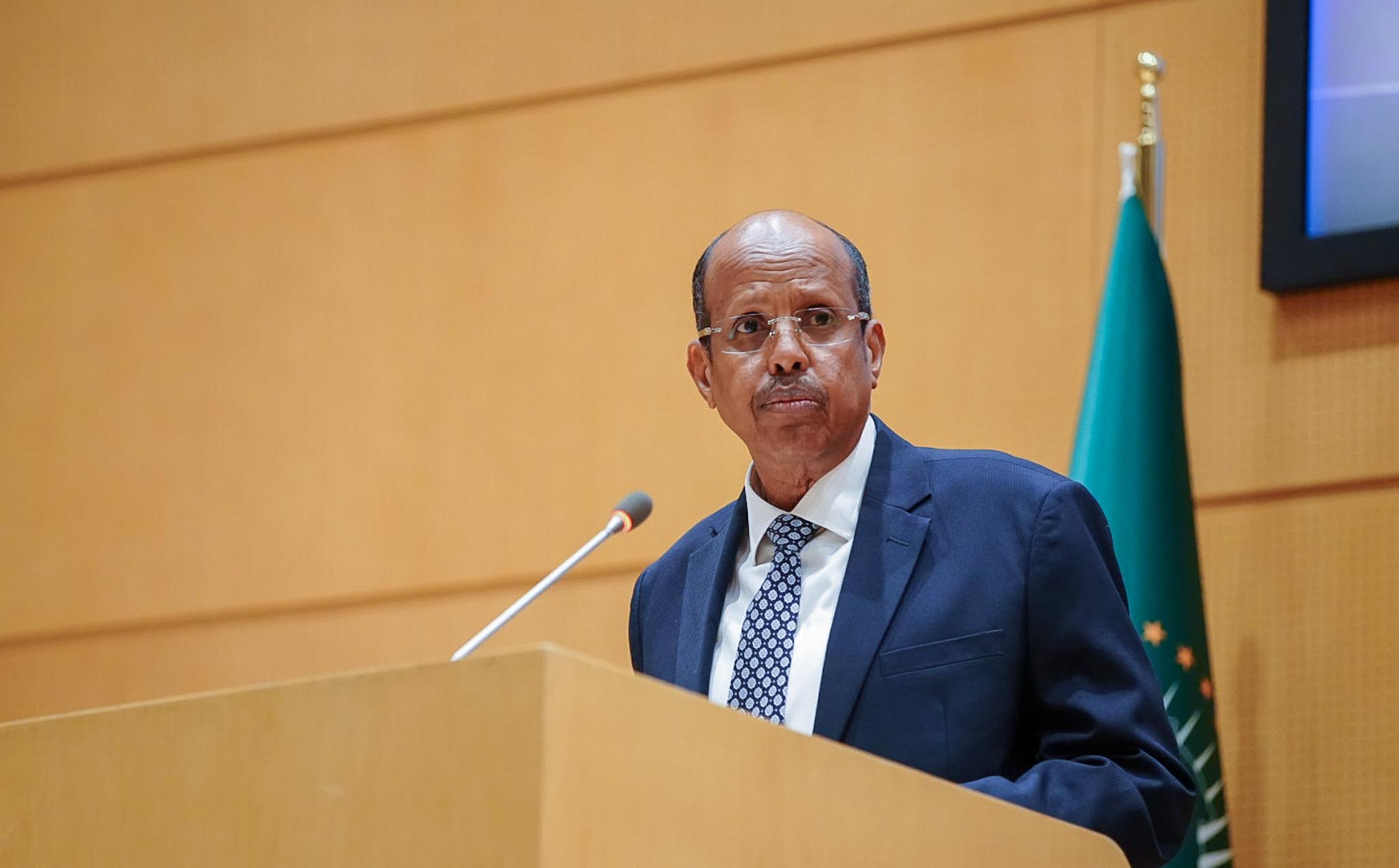
The African Union Commission is commemorating Adwa Day on Monday in Addis Ababa, with Chairperson Mahmoud Ali Youssouf describing the 1896 Battle of Adwa as a “defining affirmation of African sovereignty, dignity, and unity.”
He linked the historic victory to Agenda 2063 and reaffirmed the AU’s commitment to peace, integration and shared prosperity.
In a statement issued from Addis Ababa, Ethiopia, on March 2, 2026, the Chairperson of the African Union Commission, Mahmoud Ali Youssouf, paid tribute to the victory of March 2, 1896.
“Adwa was a defining affirmation of African sovereignty, dignity, and unity,” the Chairperson stated. “It sent a powerful message that Africa would determine its own destiny.”
The Battle of Adwa, fought in present-day Ethiopia, has long been regarded as a symbol of resistance against colonial expansion in Africa.
The victory of Ethiopian forces over invading Italian troops in 1896 became an enduring emblem of self-determination and continental pride.
In his message, the Chairperson reaffirmed the continued relevance of Adwa’s legacy in contemporary Africa.
He said the spirit of the historic battle remains a source of inspiration for the continent’s development agenda and political aspirations.
“As we confront today’s challenges, we must remain united. Africa’s strength lies in its solidarity,” he said.
The commemoration comes as the African Union advances its long-term strategic framework, Agenda 2063, which envisions “the Africa we want”, a continent driven by inclusive growth, sustainable development and pan-African unity.
By linking Adwa’s legacy to present-day integration efforts, the Chairperson framed the 1896 victory not only as a historical milestone but as a guiding principle for current policy priorities.
The African Union Commission also used the occasion to reiterate its broader institutional commitments.
In the statement, it “reaffirms its commitment to peace, integration, and shared prosperity across the continent.”
These priorities align with the organisation’s ongoing initiatives aimed at strengthening cooperation among member states, promoting conflict resolution mechanisms, and deepening economic ties through continental frameworks such as the African Continental Free Trade Area.
The theme of the African Union’s 2025 Year of Reparations, “Justice for Africans & People of African Descent through Reparations”, also provides context for this year’s Adwa commemoration.
The emphasis on sovereignty and dignity echoes wider conversations about historical injustices and the quest for restorative justice.
While the Chairperson’s statement did not elaborate in detail on specific policy measures, it placed Adwa within a broader narrative of resilience and collective determination.
“Adwa was a defining affirmation of African sovereignty, dignity, and unity,” he reiterated, highlighting the symbolic weight the battle continues to carry more than a century later.
In Addis Ababa, home to the headquarters of the African Union, Adwa Day remains a moment of reflection on Africa’s past struggles and future ambitions.
For many across the continent, the battle represents a rare moment in the late 19th century when an African army successfully defended its territory against European colonisation.
Its legacy has influenced pan-African movements and independence struggles throughout the 20th century.
By invoking Adwa in the context of Agenda 2063, the African Union Commission signalled that the values associated with the battle, sovereignty, dignity and unity, remain central to its vision.
As Africa navigates economic pressures, security challenges and climate-related threats, the call for solidarity resonates with ongoing debates about regional integration and collective action.
The statement concluded with a reaffirmation of the organisation’s dedication to advancing continental goals, grounded in the enduring lessons of history.